Dry Needling for Chronic Muscle Tightness and Pain in San Antonio
Quick answer: Dry needling is a technique performed by trained physical therapists where thin needles are inserted into tight, painful muscle knots (trigger points) to release tension, improve blood flow, and calm pain signals in the nervous system. It's commonly used for neck and back pain, headaches, sciatica, and sports injuries that haven't responded to stretching or massage alone.
Persistent muscle tightness and stubborn knots are a common problem, and they often don't respond to stretching or regular massage. If you're dealing with chronic achiness in your neck, shoulders, or lower back, along with stiffness and reduced range of motion, you may need a more targeted approach.
That's where dry needling comes in. It's an evidence-based technique that directly targets muscle trigger points to reduce pain and restore normal muscle function. At Elite Physical Therapy, our CIDN-certified therapists use dry needling as part of a broader plan to help patients in San Antonio get back to pain-free movement.
How Dry Needling Works
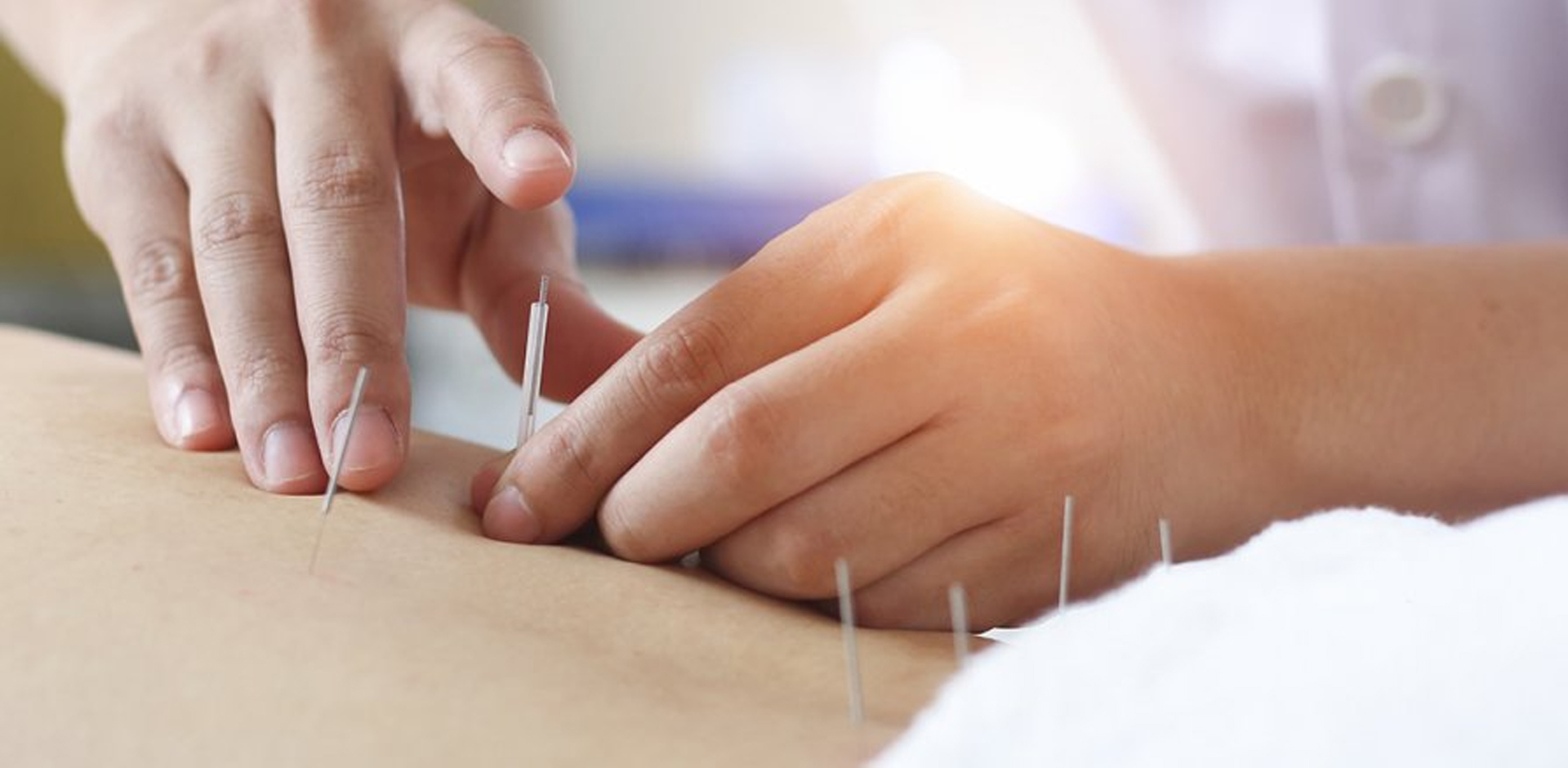
Dry needling is a precise technique performed by physical therapists to treat muscle pain and movement problems. A thin, solid needle is inserted through the skin to reach a trigger point, a tight, irritable knot within a muscle, without injecting any medication.
A trigger point is a small area of muscle that stays contracted and irritated. These knots can cause pain right where they are, or "refer" pain to other areas of the body (a tight neck muscle, for example, can trigger headaches). By mechanically stimulating these points, dry needling releases tension, reduces pain, and helps restore normal movement.
Dry Needling vs. Acupuncture: What's the Difference?
Both techniques use thin, filiform needles, but that's where the similarity ends.
Acupuncture is based on Traditional Chinese Medicine and aims to balance energy flow along the body's meridians.
Dry needling is based on Western medicine, anatomy, and neuroscience. Needles are placed directly into dysfunctional muscle tissue to create measurable changes in muscle and nerve activity.
The shared needle type is the only real overlap. The goals, training, and science behind each approach are different.
What Happens in the Body During Dry Needling
Dry needling triggers several physiological responses that work together to reduce pain and restore normal tissue function:
Trigger point release. Contact with an active trigger point often causes a brief muscle twitch. This twitch is a good sign. It means the muscle is releasing tension and returning to its normal resting length.
Improved blood flow. Tight muscle knots restrict blood flow, which causes a buildup of waste products and low oxygen in the tissue. The needle creates a tiny, controlled response that increases blood flow, bringing in oxygen and nutrients while clearing out the buildup that contributes to soreness.
Calmer nerve signaling. Chronic muscle pain can make the nervous system oversensitive to pain signals. Needling stimulates nerve fibers in a way that helps "reset" this sensitivity, reducing how much pain the brain perceives going forward.
Conditions Dry Needling Can Help
Dry needling is used to treat a wide range of muscle and nerve-related pain, including:
Neck and shoulder tension, including tension headaches and limited neck rotation
Low back stiffness and pain
Sciatica, caused by a tight piriformis muscle pressing on the sciatic nerve
Sports injuries, including hamstring strains, IT band pain, and shin splints
Plantar fasciitis and heel pain
Carpal tunnel-type symptoms, from tight forearm muscles compressing nerves
Tension headaches and migraines linked to neck and shoulder tightness
What to Expect During and After Treatment
During the session: You typically won't feel the needle enter the skin. When it reaches an active trigger point, you may feel a brief ache or muscle twitch. That response confirms the treatment is working.
Safety: Dry needling is performed by certified physical therapists using sterile, single-use needles and precise anatomical guidance. It's a low-risk procedure when done by a trained provider.
After treatment: Mild soreness for 24 to 48 hours is normal and feels similar to soreness after a workout. Staying hydrated, light movement, and applying heat can help ease any discomfort.
Why Choose Elite Physical Therapy for Dry Needling
CIDN-certified therapists. Our Doctors of Physical Therapy hold advanced certification in dry needling, ensuring precise, safe treatment.
Part of a complete plan, not a standalone fix. We combine dry needling with manual therapy, targeted exercise, and movement retraining to address the root cause of your pain, not just the symptom.
Built for long-term results. Releasing muscle restrictions creates the foundation for you to safely progress your strength and return to the activities you care about.
Frequently Asked Questions
Does dry needling hurt?
Most patients don't feel the needle go in. When it reaches a trigger point, you may feel a brief ache or twitch, which confirms the treatment is working. Any soreness afterward is usually mild and gone within 24 to 48 hours.
How is dry needling different from acupuncture?
Dry needling is based on Western anatomy and neuroscience and targets specific muscle trigger points. Acupuncture is based on Traditional Chinese Medicine and targets energy pathways called meridians. They use similar needles but are not the same treatment.
What conditions does dry needling treat?
Dry needling is commonly used for neck and back pain, tension headaches, sciatica, plantar fasciitis, sports injuries, and muscle tightness that hasn't responded to stretching or massage.
Who performs dry needling at Elite Physical Therapy?
Dry needling is performed only by our CIDN-certified Doctors of Physical Therapy, who have completed advanced training in intramuscular needling techniques.
How many dry needling sessions will I need?
This varies by condition and severity. Many patients notice improvement within a few sessions, and dry needling is typically combined with exercise and manual therapy for lasting results. Your therapist will outline a specific plan at your evaluation.
Ready to Address Your Muscle Tightness and Pain?
If stretching and massage haven't resolved your pain, dry needling may be the missing piece. Schedule an evaluation with our CIDN-certified team in San Antonio and find out if it's right for you.
Schedule your Dry needling evaluation today → Call (210) 399-0888 or book online
The premier destination for dry needling in San Antonio. Trust Elite Physical Therapy to be your specialized center for expert recovery and clinical excellence.